
The DQ200, commonly associated with the 0AM gearbox code, is a 7-speed dual-clutch transmission used in selected Volkswagen Group vehicles. Reported DQ200 transmission problems may include shuddering during take-off, delayed gear engagement, warning lights, or loss of some gears. Because different faults can produce similar symptoms, the symptom alone does not identify the failed component.
This guide explains how to assess possible clutch, mechatronic, electrical, and internal gearbox concerns. It also covers what diagnostic information to collect and what to check before ordering replacement parts. Always confirm compatibility using the transmission and mechatronic identification numbers, along with the vehicle details.

A proper diagnosis of DQ200 transmission problems should distinguish clutch wear, mechatronic faults, electrical issues, and internal gearbox damage before replacement parts are ordered.
What Is the DQ200 / 0AM Transmission?
The DQ200 is a seven-speed dual-clutch transmission used in selected transverse-engine applications. The 0AM code identifies an earlier version in the DQ200 family; later versions may use different gearbox codes, including 0CW. The exact version can vary by vehicle, production date, and market, so the name “DQ200” alone is not enough to confirm that a replacement part will fit.
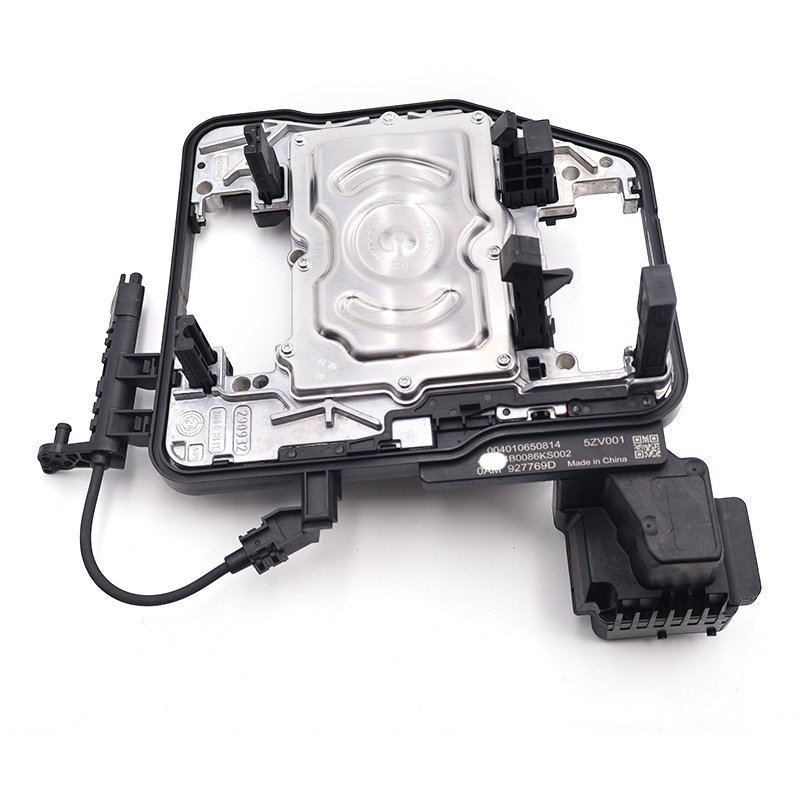
The DQ200 uses dry clutch packs. Its mechatronic unit combines electronic control with hydraulic actuation for gear selection and clutch operation. As a result, similar symptoms can have different causes, including clutch wear, a mechatronic fault, an electrical issue, or an internal gearbox problem. Diagnosis should come before ordering parts.
When investigating DQ200 transmission problems, technicians should compare diagnostic results with the vehicle’s symptoms and service history.
Common DQ200 Transmission Problems and Symptoms
- Shuddering or juddering when moving off, especially at low speed.
- A delay or harsh engagement when selecting Drive or Reverse.
- A flashing gear display, transmission warning, or reduced-power mode.
- Intermittent loss of drive or difficulty selecting some gears.
- A fault that remains or returns after clutch or mechatronic work.
Clutch or Mechatronic? How to Assess the Difference
A dry-clutch concern may be considered when shuddering or slipping occurs mainly during take-off or low-speed driving. However, similar judder can also come from other vehicle or transmission issues, so it does not confirm that the clutch pack has failed. A technician should review the stored fault information and relevant measured values before recommending a clutch replacement.
A mechatronic concern may be considered when gear selection becomes intermittent, a transmission warning appears, or the gearbox enters a limited operating mode. These signs are not proof of a failed mechatronic unit either. Check the diagnostic results and, where relevant, the power supply, wiring, connectors, and prescribed hydraulic or adaptation tests before selecting replacement parts.
DQ200 Fault Codes and Diagnostic Checks
Before replacing a clutch or mechatronic unit, read and save the complete fault information from the transmission control module. Record the exact code, its description, and any available status or operating data. Do not clear the codes before saving this information.
When assessing DQ200 transmission problems, clutch judder should be evaluated alongside engagement behavior, stored fault codes, and relevant measured values.
A fault code points to a detected condition; it does not always identify the failed part. Depending on the result, a technician may also need to check the power supply, ground connections, wiring, connectors, and relevant gearbox data. Follow the diagnostic procedure for the specific vehicle and transmission version.
After clutch or mechatronic work, the vehicle may require the applicable basic settings or adaptation procedure. The steps depend on the installed transmission and control unit, so use the correct service information and diagnostic equipment. A failed adaptation should prompt further checks; by itself, it does not prove that a replacement unit is defective.
How to Identify the Correct DQ200 / 0AM Part
Before ordering a DQ200 / 0AM mechatronic unit or control component, collect the identification details first. The gearbox family name alone may not be enough to confirm fitment. Prepare:
- The gearbox code and, if available, the vehicle production date.
- The complete part number on the existing mechatronic unit, including its suffix.
- The vehicle make, model, year, engine, and market.
- Clear photos of the part label, connectors, and housing.
- The reported symptoms and any stored diagnostic codes.
Compare the complete part number, including its suffix, and confirm the application with reliable catalog or supplier information. Similar-looking parts may differ in revision, connector, or vehicle application. Before ordering, also confirm whether coding, basic settings, or adaptation is required after installation, and who will perform that work.
If you need a replacement assembly, compare your original part number and vehicle details with our 0AM DQ200 mechatronic unit listing before ordering.
Repair or Replace a DQ200 / 0AM Mechatronic Unit?
Repair or replacement should be decided after the fault has been diagnosed. Repair may be considered when the cause is clearly identified and the required parts and repair procedures are available. Replacement may be considered when the unit is seriously damaged or a suitable repair is not practical. Neither option is right for every DQ200 transmission problem.
Before ordering a replacement mechatronic unit or related component, confirm:
- The complete part number and suffix.
- The gearbox code and vehicle application.
- Whether the part is new, remanufactured, or repaired.
- What components and checks are included.
- Whether coding, basic settings, or adaptation will be needed.
- The supplier’s warranty and support terms.
A part that looks similar may still have a different revision or application. Confirm compatibility before purchase, and keep the original part number and diagnostic information available when contacting a supplier.

DQ200 / 0AM Frequently Asked Questions
Is 0AM the same as DQ200?
0AM is a gearbox code associated with a version of the DQ200 family. Other versions may use different codes. Check the code on the actual transmission and verify the vehicle details before ordering parts.
Will every DQ200 / 0AM mechatronic unit fit every vehicle?
No. Confirm the complete part number, including its suffix, and check it against the gearbox code and vehicle application. The vehicle model name alone may not provide enough information.
Do these symptoms always mean the mechatronic unit has failed?
No. Shuddering, delayed engagement, warning lights, or loss of gears can have different causes. Use diagnostic results and the applicable service procedure to identify the fault before replacing parts.
Does a replacement mechatronic unit need adaptation?
Some repairs may require basic settings or adaptation after installation. The requirement and procedure depend on the vehicle and fitted unit, so follow the correct service information.
Final Checklist Before Ordering DQ200 / 0AM Parts
For a parts inquiry, provide the complete part number, gearbox code, vehicle details, clear photos of the existing unit, and any diagnostic information. These details help a supplier check the application and identify a suitable DQ200 / 0AM component.
A clear repair record helps technicians assess recurring DQ200 transmission problems after the vehicle returns to service.